Beyond the Map: A First-Timer’s Journey into the GEOINT Ecosystem
Editor's Note: Jessica Calloway recently completed an internship with us here at Project Geospatial. In this piece, she reflects on her first time attending the GEOINT Symposium as a media volunteer, offering a fresh, newcomer's perspective on the collaborative culture and technological advancements driving the geospatial intelligence community.
Attending the GEOINT Symposium 2026 as a media volunteer offered far more than just a front-row seat to document a premier industry event, it became a transformative journey into a potential career path within the geospatial intelligence community.
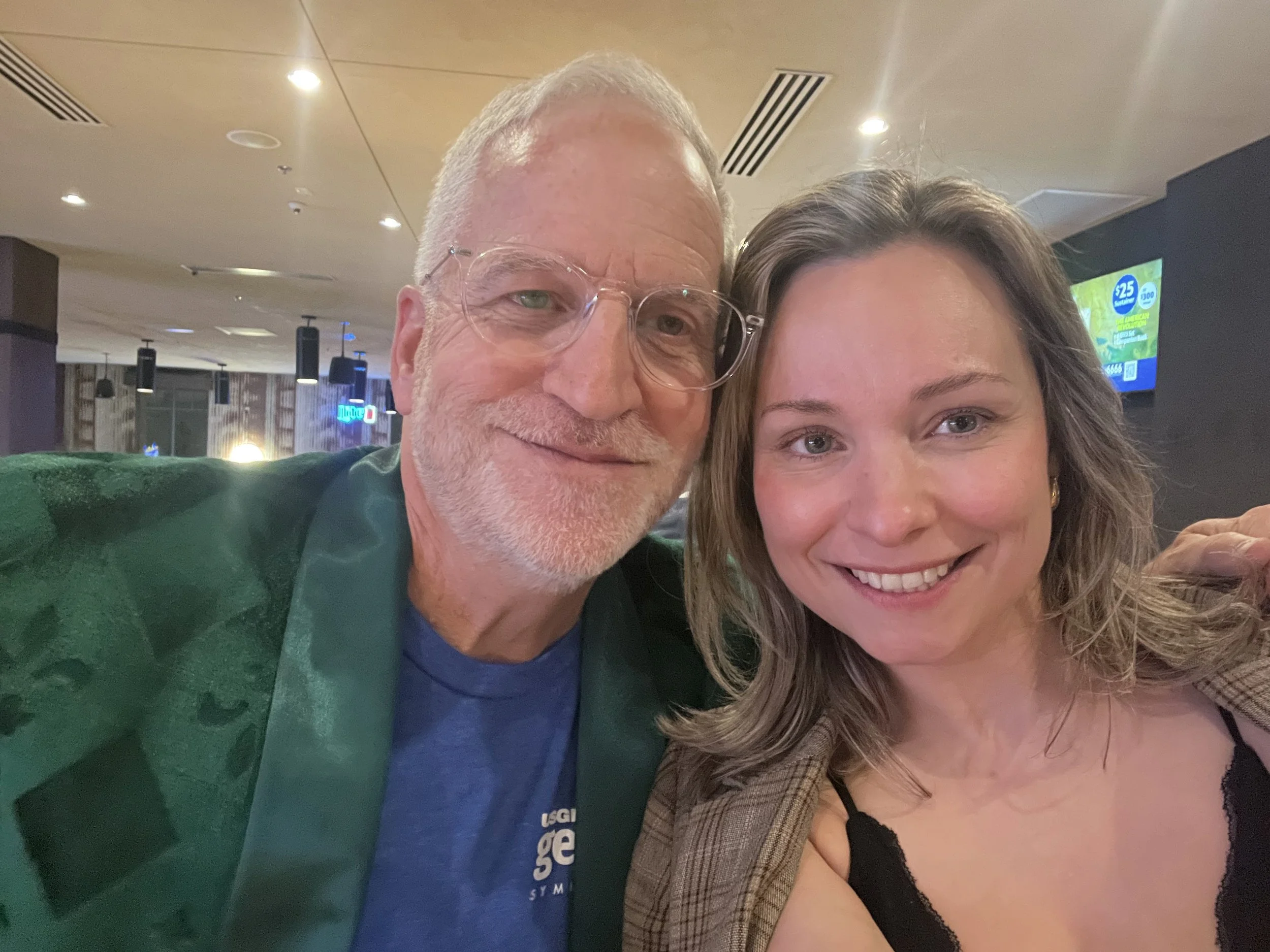
Selfie with Robert Cardillo and I
The Scale of the Mission
Entering the symposium as someone still mapping out the vast landscape of the GEOINT field brought a natural mix of curiosity and uncertainty. The sheer scale of the event was immediately palpable. For a newcomer, realizing that the geospatial industry spans far beyond traditional maps and satellite imagery to touch national security, emergency response, artificial intelligence, data analytics, mission support, and emerging technology can feel incredibly overwhelming at first. Yet, my initial intimidation quickly gave way to fascination as I absorbed the energy of the ecosystem. I realized this isn't just an industry of isolated analysts; it is a massive, interconnected network of defense, government, and commercial entities working in lockstep to solve global challenges.
Turning Data into Actionable Clarity
While the human element of the conference was undeniable, the technology on display was breathtaking. Throughout the keynote sessions and exhibition floor, the abstract concept of "emerging tech" took concrete shape. The event highlighted monumental advances in artificial intelligence, commercial imagery, and integrated data systems. What impressed me most was seeing how the industry is tackling the challenge of data overload. Instead of just gathering more imagery, the focus has shifted to cutting-edge GeoAI and automated tools designed to rapidly connect data points. Watching how machine learning can instantly analyze complex terrain or assist in emergency responses proved that the future of GEOINT relies on turning massive data into actionable clarity at lightning speed.
A Diverse and Interconnected Workforce
What quickly became clear throughout the event, however, was that there is no single, rigid path into this high-tech industry. Conversations with professionals across government agencies, defense sectors, nonprofit organizations, and private industry revealed how remarkably diverse the GEOINT workforce truly is. I met attendees from deeply technical backgrounds in data science or geospatial analysis, but I also connected with brilliant individuals working in operations, communications, acquisitions, policy, mission support, human resources, and program management. Hearing those stories reinforced a vital lesson about the industry ecosystem: it relies not only on cutting-edge software, but also on people with a wide range of professional experiences and unique perspectives.
The Power of Mentorship
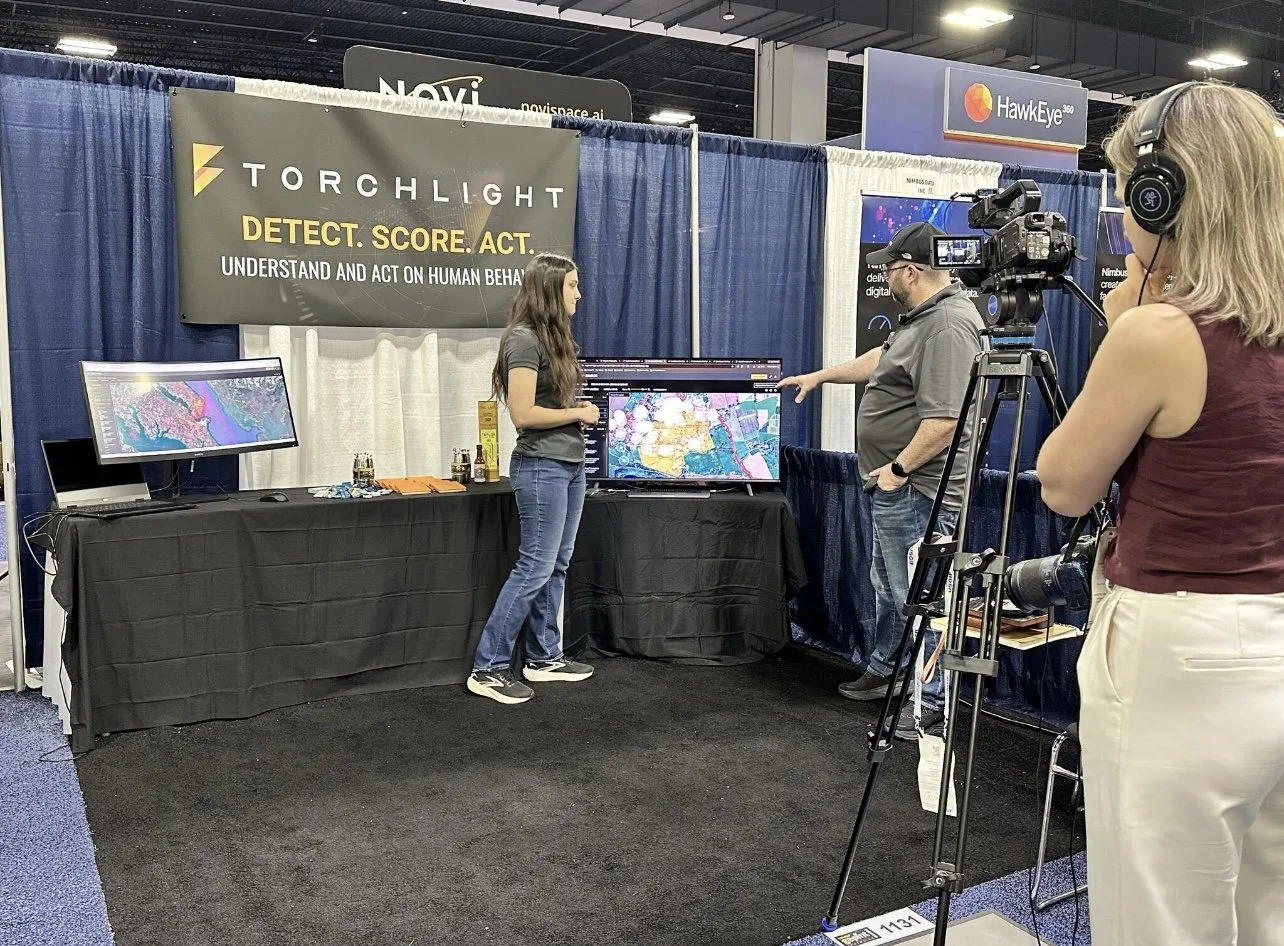
Interviewing Torchlight
As a media volunteer, covering presentations and speaking with attendees created a unique vantage point to understand both the mission and the collaborative culture surrounding the GEOINT community. While the technology was awe-inspiring, many of my most valuable insights came through personal conversations about career development, mentorship, and growth within the field. One of the most encouraging and inspiring aspects of the entire symposium was the absolute willingness of seasoned professionals to offer guidance to newcomers. Many attendees openly shared advice about networking, building industry knowledge, seeking mentorship, and remaining adaptable in a field that continues to evolve alongside emerging technologies. Rather than viewing newcomers as outsiders, the community actively emphasized the importance of bringing fresh voices and diverse perspectives into the GEOINT space.
This is where the true value of attending a conference like this shines. Through structured networking sessions, collaborative discussions, and spontaneous "unconferencing" segments, the symposium created an environment where high-stakes conversations felt approachable, authentic, and deeply human. Those moments became perfect opportunities to ask raw questions, gain insight into different career paths, and better understand the exact skills and experiences valued across the community.
Looking Ahead
For anyone exploring long-term opportunities in geospatial intelligence, this experience provided immense clarity and motivation. I left the symposium deeply inspired and eager to learn more about the intersection of AI data analytics and human policy. Ultimately, GEOINT 2026 reinforced that career growth within this industry is not solely defined by technical expertise; it is fueled by curiosity, communication, collaboration, and a relentless willingness to learn from others. What began as a simple media assignment focused on event coverage ultimately became an unforgettable introduction to a professional community built on innovation, mission-driven work, and mentorship. It stands as a powerful reminder that the most rewarding career paths within the geospatial industry can begin in the most unexpected ways.