


GEOSPATIAL FRONTIERS
A Publication by Project Geospatial
LOOKING BEYOND
THE MAP
Geospatial Frontiers, a new publication from Project Geospatial, brings together leading voices and experts from across the geospatial ecosystem to tackle the industry's most pressing challenges. Through in-depth articles and discussions, Geospatial Frontiers aims to explore innovative solutions and spark critical conversations that will shape the future of geospatial technology and its applications.
Contributing Authors






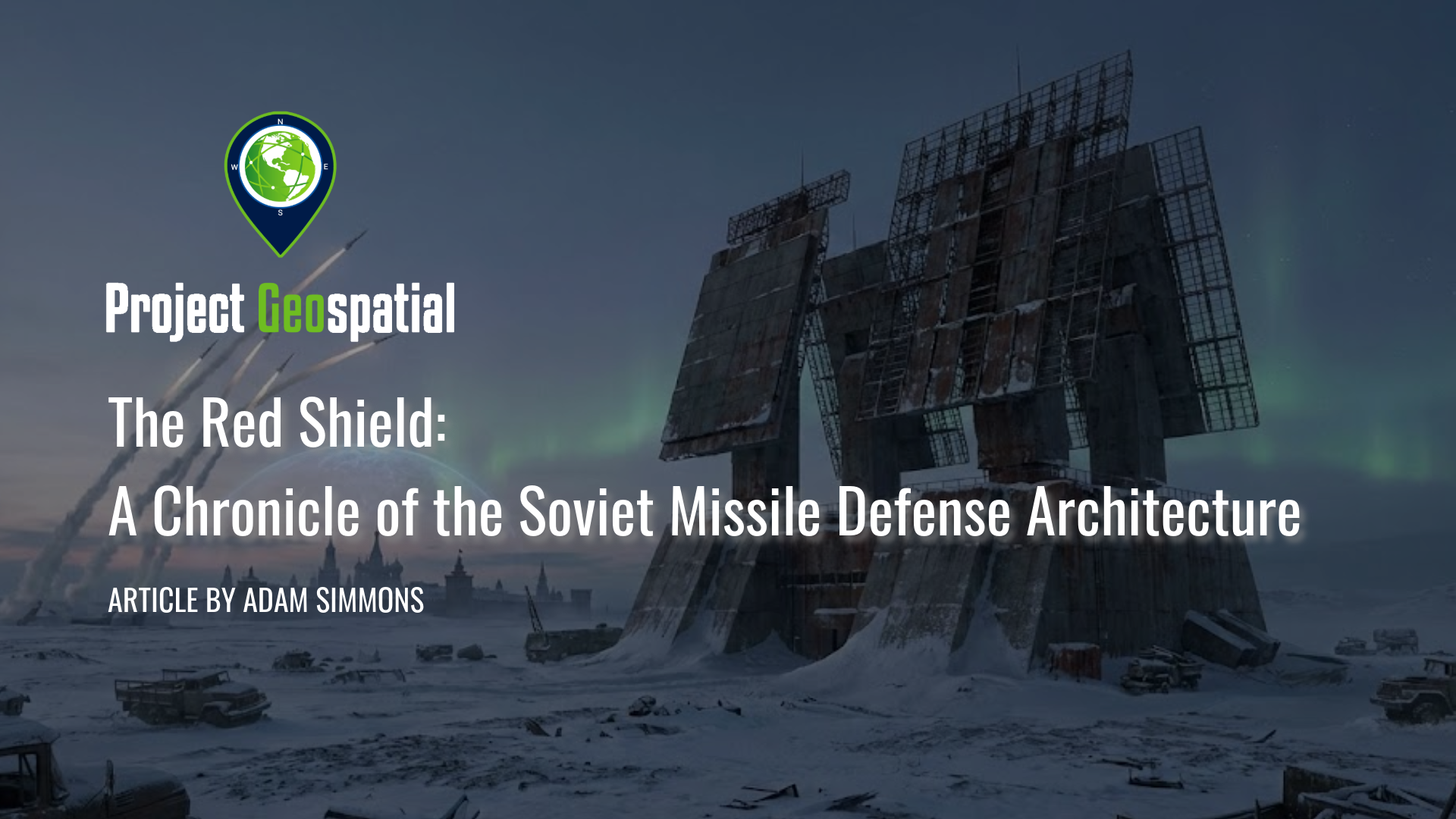
The Red Shield: A Chronicle of the Soviet Missile Defense Architecture
Uncover the concrete legacy of the Cold War’s largest fortress in The Red Shield. The third installment of the "Geospatial Frontiers" series crosses the Iron Curtain to map the PVO Strany—the Soviet Union’s colossal air and missile defense network. Through historical GIS analysis, we expose the "Ring of Steel" that encircled the USSR, contrasting the Soviet Union’s "citadel" strategy with the point-defenses of the West. From the haunting ruins of the "Russian Woodpecker" and the Sary Shagan testing grounds to the operational Don-2N pyramid guarding Moscow, this chronicle reveals a landscape shaped by existential paranoia and technological maximalism. Explore the physical geography of a superpower that built a defense network designed not just to fight a war, but to survive the apocalypse.
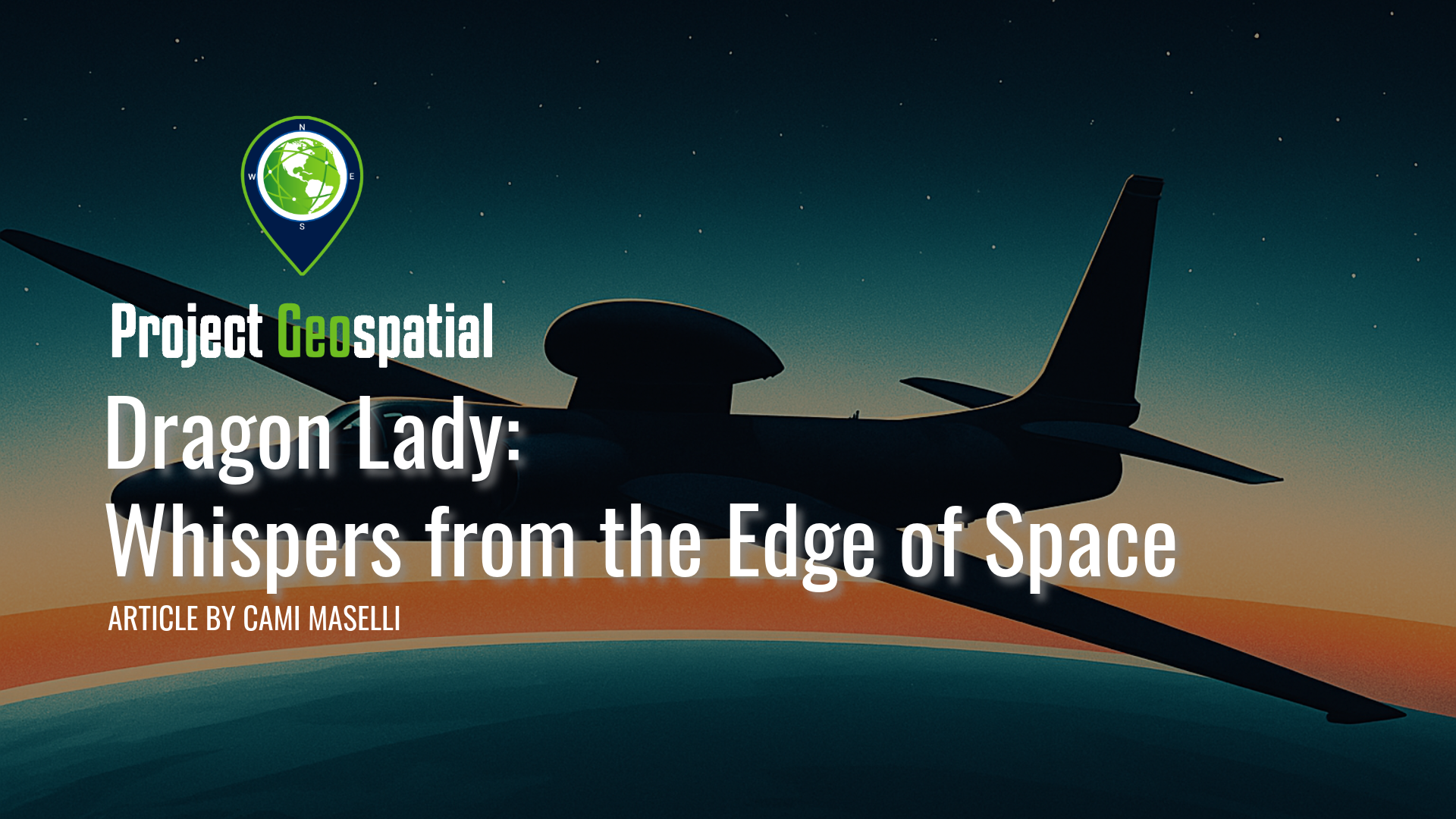
Dragon Lady: Whispers from the Edge of Space
From the inky blackness at the edge of space, a slender silhouette patrols the upper atmosphere, a silent sentinel against the gentle curvature of the Earth. This is the domain of the Lockheed U-2, an aircraft known by the mythical moniker "Dragon Lady". For nearly seven decades, from the iciest depths of the Cold War to the complex surveillance demands of the 21st century, this visionary aircraft has been a constant, often unseen, factor in global geopolitics.
Born from a desperate need to peer behind the Iron Curtain, the U-2 was a high-stakes gamble. Its story is one of groundbreaking technological leaps forged in secrecy at Lockheed's legendary Skunk Works, but it is equally a story of profound human endeavor. Discover the incredible skill and courage required of its pilots, who flew solo for hours at over 70,000 feet, navigating the razor-thin margin of the "coffin corner" while sealed inside an early spacesuit.
Go behind the scenes of the U-2's most dramatic moments: the audacious first flights over the Soviet Union that dispelled the myth of a "bomber gap" ; the international crisis sparked when Francis Gary Powers was shot down in 1960 ; and the harrowing thirteen days in October 1962, when U-2 photographs of Soviet missiles in Cuba brought the world to the brink of nuclear war. How has an aircraft conceived in the 1950s remained an indispensable asset well into the digital age? Read on to explore the tapestry of innovation, high-stakes drama, and indomitable human spirit that defines the enduring legacy of the Dragon Lady.

The Silent Sentinels: Charting America's Past and Future, One Brass Disk at a Time
High on a remote mountaintop, you spot a metallic glint set in the bedrock: a weathered brass disk stamped with cryptic words and a perfect triangle. What is this object? It's a geodetic survey marker, a physical anchor from a two-century-long scientific odyssey to measure and map a continent.
This is the story of how a network of brass and sweat, laid down with grueling labor and uncompromising precision, formed the invisible framework of our modern world. Discover the audacious vision of Ferdinand Hassler, the brutal life of a survey party, and the elegant science of triangulation that transformed an unmapped frontier into a tangible nation.
But in an age of GPS, are these markers mere relics? Explore the paradox of why these "silent sentinels" are more critical than ever, anchoring our virtual, satellite-driven age to the solid ground beneath our feet.