

GEOSPATIAL FRONTIERS
A Publication by Project Geospatial
LOOKING BEYOND
THE MAP
Geospatial Frontiers, a new publication from Project Geospatial, brings together leading voices and experts from across the geospatial ecosystem to tackle the industry's most pressing challenges. Through in-depth articles and discussions, Geospatial Frontiers aims to explore innovative solutions and spark critical conversations that will shape the future of geospatial technology and its applications.
Contributing Authors






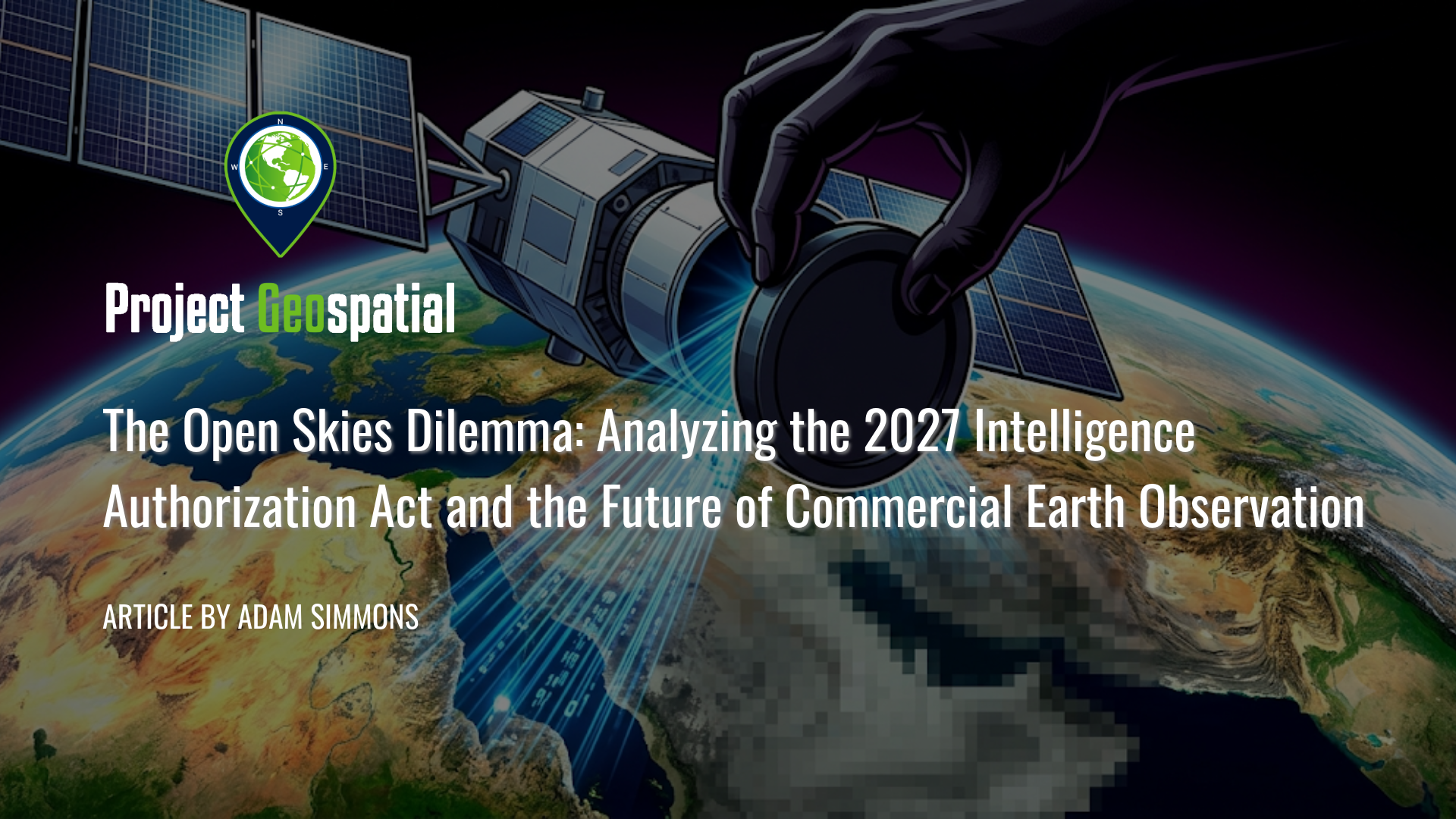
The Open Skies Dilemma: Analyzing the 2027 Intelligence Authorization Act and the Future of Commercial Earth Observation
The 2027 Intelligence Authorization Act (H.R. 9624) aims to mandate strict blackouts on U.S. commercial satellite imagery in the name of national security. However, in an era of global orbital abundance, this proposed government censorship threatens to cripple open-source intelligence (OSINT), betray the democratic spirit of the First Amendment, and cede America's Earth observation dominance to foreign competitors. Discover why weaponizing federal contracts to force "orbital blindness" is a profound strategic and moral miscalculation.
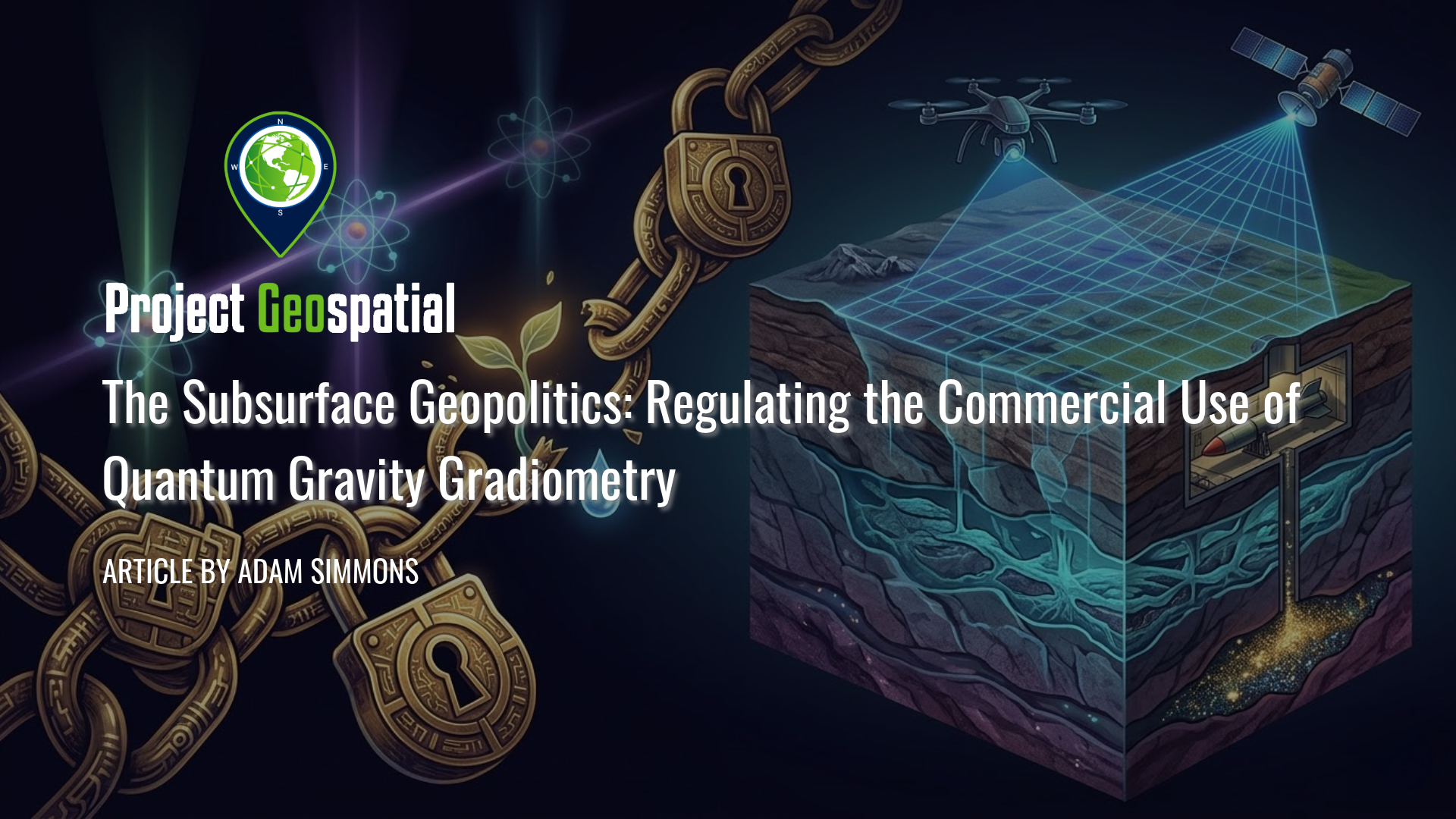
The Subsurface Geopolitics: Regulating the Commercial Use of Quantum Gravity Gradiometry
As Quantum Gravity Gradiometry (QGG) renders the Earth’s crust functionally transparent, a high-stakes geopolitical battle is emerging over the regulation of the subsurface. This article explores the tension between the commercial promise of uncovering critical minerals and tracking climate change against the national security risks of exposing clandestine military assets. Discover how international frameworks and "shutter control" policies are evolving to manage this revolutionary sensing technology, where the ability to see deep underground is transforming global transparency, resource competition, and strategic stability.