

GEOSPATIAL FRONTIERS
A Publication by Project Geospatial
LOOKING BEYOND
THE MAP
Geospatial Frontiers, a new publication from Project Geospatial, brings together leading voices and experts from across the geospatial ecosystem to tackle the industry's most pressing challenges. Through in-depth articles and discussions, Geospatial Frontiers aims to explore innovative solutions and spark critical conversations that will shape the future of geospatial technology and its applications.
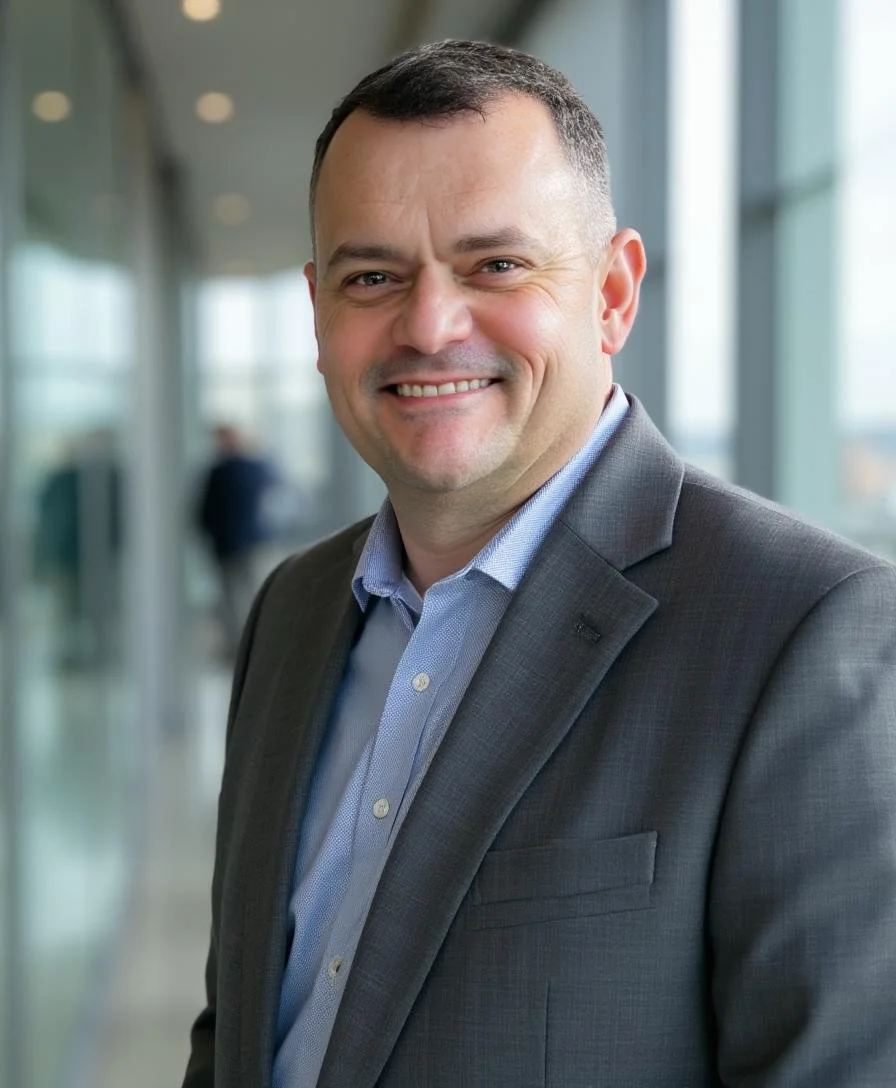
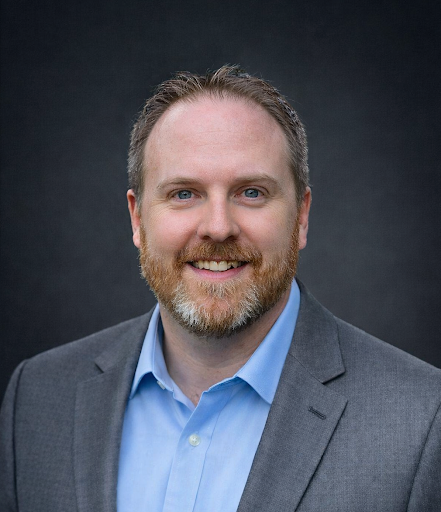
Contributing Authors





The Open Skies Dilemma: Analyzing the 2027 Intelligence Authorization Act and the Future of Commercial Earth Observation
The 2027 Intelligence Authorization Act (H.R. 9624) aims to mandate strict blackouts on U.S. commercial satellite imagery in the name of national security. However, in an era of global orbital abundance, this proposed government censorship threatens to cripple open-source intelligence (OSINT), betray the democratic spirit of the First Amendment, and cede America's Earth observation dominance to foreign competitors. Discover why weaponizing federal contracts to force "orbital blindness" is a profound strategic and moral miscalculation.

The Open Skies Dilemma: Navigating the Legal, Ethical, and Economic Realities of Humanitarian Satellites
As the democratization of space faces a harsh reality check, the 2026 Middle East geospatial embargo has exposed a critical vulnerability in global transparency. While "New Space" promised an era of irrefutable clarity for human rights monitors, most commercial providers remain inextricably tethered to national security mandates and defense-oriented anchor contracts. This comprehensive investigation deconstructs the legal labyrinth of shutter control, the ethical dual-use dilemmas of high-resolution imagery, and the "Defense Paradox" that currently forces orbital abundance to prioritize military ISR over the public good. Explore how the Common Space initiative is pioneering a radical shift toward community-governed satellites and "club good" financial models to ensure that the "science of where" becomes an unassailable tool for humanitarian resilience rather than state surveillance.